What Is a Solar Panel Inspection?
A closer look at your Solar System
If a home has a solar electric system, many buyers and homeowners want to know one basic thing: does it appear to be in good condition?
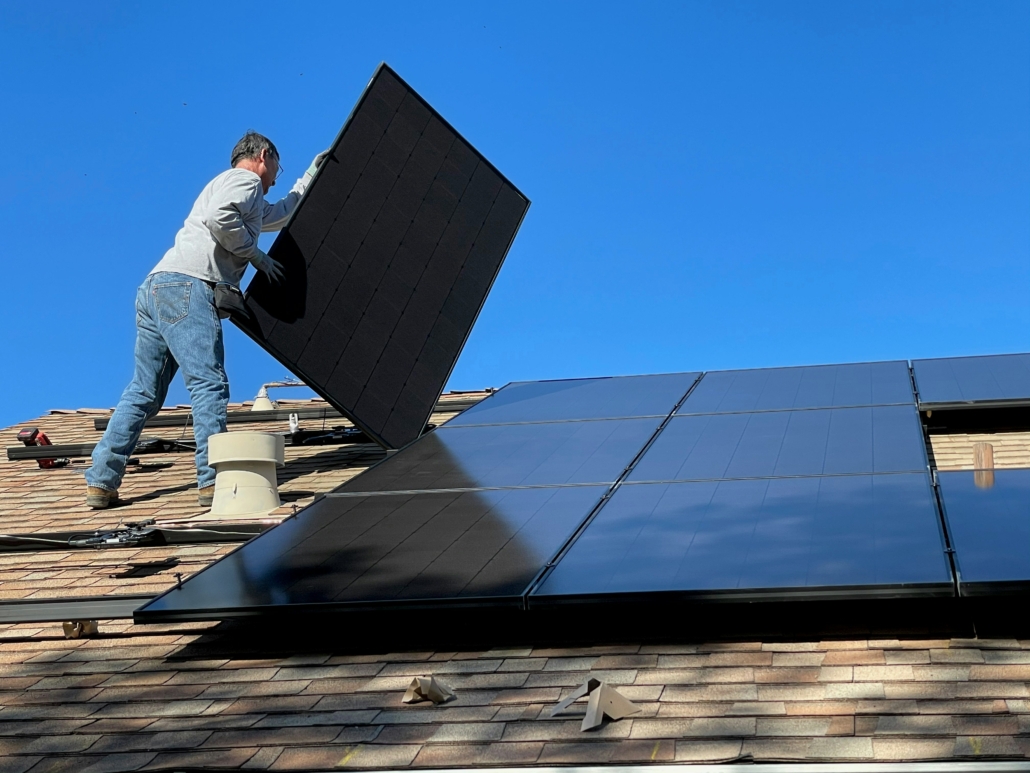
A solar panel inspection is a visual, non-invasive inspection of the visible and accessible parts of the solar system. We provide you with a dedicated report showing issues found, and information about your specific system. It is designed to look at the overall condition of the system, note visible installation concerns, review major components like the panels and inverter(s), look at energy storage if the home has batteries, and help document the system with photos and basic system information.
What does a solar panel inspection look at?
A typical solar inspection may include items such as:
-
the solar panels themselves
-
visible damage or broken panels
-
loose or missing clamps
-
wires touching the roof
-
pest proofing around the array
-
the inverter(s)
-
battery storage, if present
-
the utility meter and solar breaker
-
system labels and conduit labeling
-
basic observations about panel layout, shading, and roof placement
In simple terms, the inspection is meant to help identify visible concerns and give a clearer picture of what is installed at the home.
Why does this matter?
Solar systems can be a valuable feature, but they are also a major component of the property. Buyers may want more confidence about the visible condition of the system. Sellers may want documentation before listing. Homeowners may simply want a better understanding of what they have.
A solar inspection can help answer questions like:
-
Are there visible signs of damage?
-
Are the main components present and labeled?
-
Does the installation appear to have any visible concerns?
-
Is there battery storage?
-
What type of inverter system is installed?
-
Are there signs that more evaluation may be needed?
What a solar inspection does not do
It is important to understand that this is generally a limited inspection. It is based on visible and accessible components only. If parts of the system cannot be accessed due to safety concerns, weather, locked panels, or other limitations, those areas may not be inspected. The inspector also does not turn on systems that are already powered off at the time of the inspection.
This type of inspection is not the same as a full diagnostic evaluation, engineering review, or guarantee of future performance.
Common things that may be noted
During a solar inspection, some common visible concerns may include damaged panels, loose components, missing labels, exposed or poorly supported wiring, shading, or other visible installation issues. The inspection may also document information such as panel manufacturer, inverter type, approximate system size, battery presence, and other visible system details.
Final thoughts
Solar electric systems are becoming more common on homes, and they can add another layer to the inspection process. A solar panel inspection helps document the visible condition of the system and identify obvious concerns in a way that is easier for a buyer or homeowner to understand. A separate and dedicated report will be delivered to you as well.
If you are buying a home with solar, selling one, or just want a better understanding of the system on your property, a solar inspection can be a helpful next step.



Leave a Reply
Want to join the discussion?Feel free to contribute!