Don’t Be Roped In by Amateurs
Hire an inspector that is certified, thorough, and knows what he’s doing.
Whether you’re buying a home, refinancing with a VA loan, or protecting your investment, a termite inspection provides the documentation and peace of mind you need. Available as a $175 add-on to your home inspection, our inspectors identify active termites, conducive conditions, and risk factors specific to Castle Rock properties. You’ll receive a thorough, same-day report using the official NPMA-33 form that meets lender requirements and helps you make informed decisions about treatment or prevention.
A termite inspection is a focused evaluation that differs from a general home inspection in scope and purpose. While home inspections cover overall property condition, termite inspections zero in on wood-destroying insects and the conditions that attract them. Castle Rock’s clay soils retain moisture near foundations, and our semi-arid climate with periodic wet periods creates conditions that allow subterranean termite colonies to establish themselves, particularly in neighborhoods with mature landscaping.
A professional WDI inspection examines all accessible areas of your home for evidence of termites, damage to wood structures, and conducive conditions. We document findings in an NPMA-33 report that satisfies lender requirements for closing. We identify current activity and past damage and provide specific recommendations to address conducive conditions based on our observations of your property.
Subterranean termites are the primary concern in Castle Rock and across the Front Range. These insects build underground colonies and create mud tubes to travel between soil and wood. Termites can be active in heated crawl spaces and basements even during the winter months. Swarming typically occurs from late April through June, when soil temperatures reach 70 degrees, and moisture levels rise with spring snowmelt.
Most termite inspections we perform satisfy VA loan termite inspection requirements or the documentation requirements of conventional lenders for purchase transactions. Buyers order inspections during due diligence to avoid purchasing properties with hidden damage—we’ve identified severe structural damage in homes that appeared fine from the outside. Homeowners call us when they notice mud tubes along foundations, discarded wings near windows after spring swarms, or soft wood in trim and framing. Sellers schedule inspections proactively to address issues before listing, which typically speeds the transaction process.

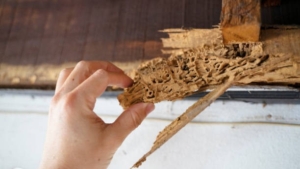
Our termite inspection checklist covers every accessible area where evidence is typically found. We follow a systematic process that balances thoroughness with minimal disruption to your home and schedule.
We examine the full perimeter for mud tubes, wood-to-soil contact, and drainage problems that create moisture near the foundation. Exterior conditions often explain why termites target a structure—negative grading and splash-back from downspouts are common issues.
We visually inspect accessible interior wood elements for signs of damage and active termite presence. Baseboards, door frames, window casings, and built-in cabinetry receive attention without invasive probing that could cause unnecessary damage. We look for hollowed wood, mud in cracks, and frass (termite droppings).
These areas reveal moisture issues, exposed framing, and hidden conditions. Castle Rock homes are predominantly built with full basements rather than slab-on-grade construction, presenting specific areas where wood structures meet concrete foundations.
Your termite inspection report includes high-resolution photos of findings, delivered the same day on the NPMA-33 form to meet tight real estate timelines. Our reporting format provides clear findings quickly for homeowners, agents, and lenders.
All access points should be reachable and unobstructed. When we can’t access areas, we note limitations in the report, which may require follow-up visits or additional documentation for lenders.
Pull items away from baseboards and lower wall sections to inspect the full perimeter for evidence.
Clear vegetation and move stored wood at least 20 feet from the structure to prevent attracting wood-destroying insects near garage walls and foundation perimeters.
Contain pets during the inspection and unlock all exterior gates for full perimeter access.
We categorize findings to clarify risk levels and recommended actions. Our reports explain what “conducive conditions” mean in practical terms and whether treatment is needed immediately or conditions should simply be monitored and corrected.
If we identify termites or significant damage, we provide documentation for pest control professionals and contractors. We don’t perform treatments ourselves—our role is accurate identification and documentation so you can make informed decisions.
Schedule multiple services in one visit for convenience and cost savings. This approach streamlines Front Range transactions and comprehensive property evaluations.


Direct downspouts away from foundations and repair pooling areas that keep soil near the home moist. We recommend extensions that carry water at least five feet from the foundation.
Store firewood elevated and away from the house. Maintain a six-inch clearance between mulch and siding, and avoid landscape timbers in direct contact with soil, as they can act as entry points for termites.
Schedule periodic inspections based on your property’s history and risk tolerance. Routine monitoring helps catch new activity early, protecting long-term value and preventing expensive repairs.
Most inspections take 45 minutes to an hour, depending on accessibility and home layout. Homes with finished basements and limited access to the crawl space may take longer.
Yes, lenders typically require a standalone NPMA-33 WDI report, even if you ordered a comprehensive home inspection. Available as a $175 add-on service, the NPMA-33 report follows specific formatting requirements for mortgage companies.
Termites survive in heated structures and below the frost line, where soil temperatures remain stable.
Will The Inspection Disrupt My Pets Or Children?
The process is non-invasive. Secure pets to prevent stress during the inspection. We work quietly and efficiently.
Reports are delivered the same day, typically within hours of completing the inspection. Learn more about termite inspection pricing and timeline.