
What Is Included in a Home Inspection, and What Is Not?
A home inspection is a visual, non-invasive evaluation of the readily accessible systems and components of a house on the day it is inspected. At Green Door we follow the InterNACHI Standards of Practice, which means we look at the roof, exterior, foundation and structure, heating, cooling, plumbing, electrical, fireplace, attic and insulation, and doors, windows and interior. What is not included is anything hidden, buried, shut down, or outside that scope: no opening walls, no code compliance rulings, no pools, wells or septic, and no predictions about how long a system will last.
Below is the full picture, including the parts buyers are usually surprised by.
What does a home inspection include?
We inspect a representative number of accessible components in each of these systems:
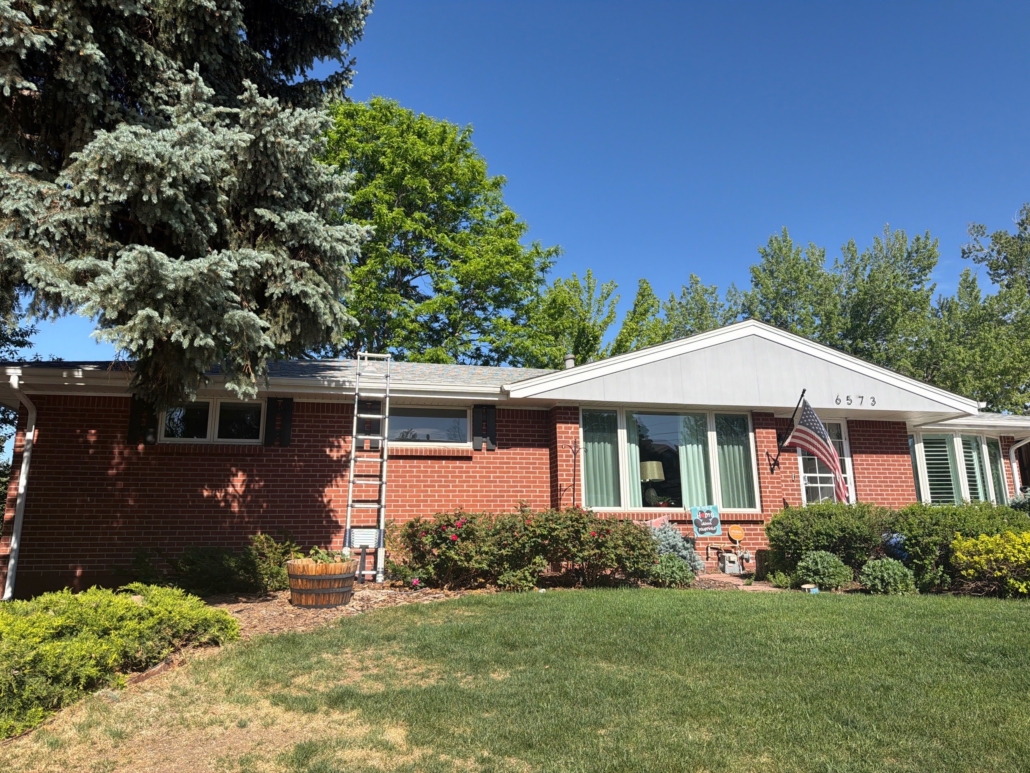
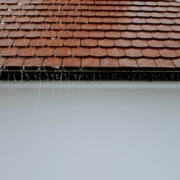
- Roof — covering materials, visible flashing, gutters and downspouts, penetrations, and drainage, inspected from the ground, a ladder, or the roof surface when it is safe to walk.
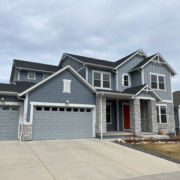
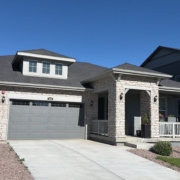
- Exterior — siding, trim, eaves, walkways, driveways, grading, retaining walls, decks, porches, and railings.
- Foundation, basement and structure — visible foundation walls, floor framing, crawlspace conditions, and signs of movement or moisture.
- Heating — the furnace or boiler operated in normal mode, venting, distribution, and visible components.
- Cooling — the air conditioning system operated in normal mode when outdoor temperatures allow it to run without damage.
- Plumbing — visible supply and drain lines, fixtures, functional flow and drainage, the water heater and its venting and discharge piping, and the main water shutoff.
- Electrical — the service entrance, main and sub panels, visible wiring, and a representative number of accessible receptacles, switches, and GFCI devices.
- Fireplace — the visible firebox, damper, hearth, and chimney exterior.
- Attic, insulation and ventilation — accessible attic space, insulation depth and type, and ventilation.
- Doors, windows and interior — a representative number of accessible doors and windows, floors, walls, ceilings, stairs, and railings.
- Built-in appliances — dishwasher, disposal, range or oven, cooktop, range hood, microwave, bathroom exhaust fans, and garage door operator.
Every finding comes with a photo, a location, and a plain-language description. Your report is emailed the same day as the inspection, not two or three days later.
What is not included in a home inspection?
A home inspection is visual and non-invasive by design. We do not:
- Open walls, ceilings or floors. Anything concealed behind finished surfaces is outside the scope. We report what is visible and accessible.
- Rule on building code compliance. A home inspection is not a code inspection. That is a different job performed by a different authority.
- Inspect swimming pools or spas.
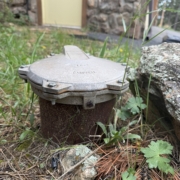
- Inspect wells or septic systems. These are underground and require specialty contractors.
- Inspect low-voltage or smart-home systems. Security systems, alarms, fire suppression, irrigation controllers, landscape lighting, intercoms, and smart-home hubs are excluded.
- Evaluate cosmetics. Paint quality, carpet wear, scuffs, and finish preferences are not defects.
- Predict life expectancy. We can tell you the age and observed condition of a furnace. We cannot tell you it has four years left, and neither can anyone else honestly.
- Operate systems that are shut off. If the gas is off, the water is off, or the power is off, that system cannot be evaluated and the report will say so.
- Move furniture, stored items, or insulation. Areas blocked at the time of inspection are noted as not inspected.
None of this is Green Door being narrow. These limits are written into the InterNACHI Standards of Practice that every certified inspector works under, and an inspector who claims otherwise is overselling.
Are detached garages, sheds and outbuildings included?
They are inspected, but they are not part of the base fee. A detached garage, shed, barn, or guest structure adds time and is priced as an additional structure. Tell us what is on the property when you schedule and the quote will reflect it, so nothing changes on inspection day.
What can you add to a home inspection?
Green Door performs all of these in house. Nothing is subcontracted, which means one company, one schedule, and one report.
- Sewer scope — a camera run of the main sewer line from the house to the tap, which is the single most common source of a five-figure surprise in older Front Range homes.
- Radon test — a continuous monitor placed for a minimum of 48 hours with hour-by-hour readings, not a single average.
- Mold testing — air and surface sampling when there is visible growth or a moisture history worth investigating.
- Wood destroying insect (termite) inspection — often required for VA loans and worth doing on older or heavily wooded lots.
Add-ons cost less bundled with the inspection than booked separately, because we are already on site. For current pricing on the base inspection and every add-on, see what a home inspection costs in Castle Rock and Douglas County.
Is a new construction inspection different?
The scope follows the same standard, but the timing matters more. On a new build you want eyes on the house before drywall goes up, because that is the only window where framing, plumbing, electrical, and HVAC are all visible at once. Once it is covered, it is covered. See why a pre-drywall inspection is the one you don’t want to skip.
Frequently asked questions
How long does a home inspection take?
Plan on three to four hours for most single-family homes: the inspection itself runs 2.5 to 3.5 hours, and add-on services running on the same visit push the average to about four. Here is the full breakdown of how long a home inspection takes. You are welcome to be there for all of it, and we would rather you were.
When do I get the report?
The same day as your inspection, emailed to you. Every finding includes photos and a location so you know exactly what you are looking at.
Does the inspector tell me whether to buy the house?
No. We tell you the condition of the house on the day we inspected it, in detail, and you and your agent decide what that is worth to you. We do not assign severity ratings or tell you what to demand, because that is your negotiation, not ours.
What if something is blocked or inaccessible on inspection day?
It gets documented as not inspected, with the reason. A locked utility room, a crawlspace packed with storage, or snow on the roof all limit what can be seen, and the report will say so rather than quietly skipping it.
Do you inspect condos and townhomes?
Yes. The scope narrows to what the unit owner is responsible for, and shared or association-maintained components are noted as outside the unit.
The bottom line
A home inspection covers every major system you can see and reach, and it stops at the walls. Knowing that boundary before you book is the difference between a report that feels thorough and a report that feels like it missed something. If you have a question about whether your specific property or concern falls inside the scope, call or text us at 720-598-0111 and ask before you schedule. We answer the phone from 8am to 8pm, seven days a week.
Green Door Home Inspections provides residential inspections, sewer scope inspections, radon testing, mold testing, and wood destroying insect inspections to Castle Rock, Douglas County, the Denver metro, and the Front Range.



Leave a Reply
Want to join the discussion?Feel free to contribute!